- Quick, Easy, & Hassle-Free
- UK Based
- GPhC Regulated
- Secure Checkout
- Express Delivery

Quick, Easy, & Hassle-Free
UK Based
GPhC Regulated
Secure Checkout
Express Delivery

No Appointments
No Embarrassment
No Hassle!
No Appointments
No Embarrassment
No Hassle!
Gout is a type of inflammatory arthritis caused by the build-up of uric acid crystals in joints, leading to sudden pain, swelling, and redness, often in the big toe. Management includes medications like Allopurinol to lower uric acid levels, NSAIDs and Colchicine to treat pain and inflammation, along with lifestyle changes to prevent flare-ups and avoid complications.
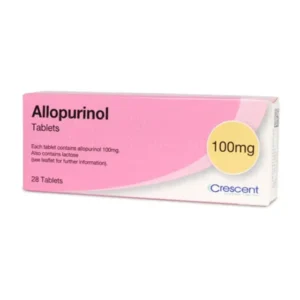

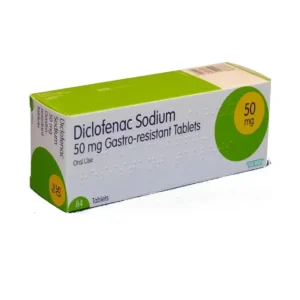
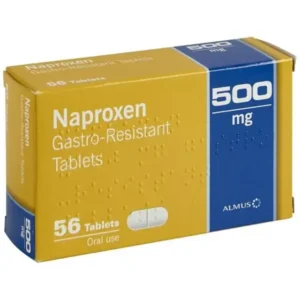
Gout is a form of inflammatory arthritis characterised by the deposition of monosodium urate crystals in joints, tendons, and surrounding tissues. It typically manifests as sudden and severe episodes of pain, swelling, and redness in the affected joints, commonly the base of the big toe.
The condition is primarily caused by elevated levels of uric acid in the blood, a condition known as hyperuricaemia, which can result from both overproduction and underexcretion of uric acid. Acute attacks of Gout are often triggered by factors such as dietary purines, alcohol consumption, certain medications, or medical conditions that impair uric acid metabolism. Chronic Gout can lead to joint damage and the formation of tophi, which are nodular deposits of urate crystals.
Management of Gout includes lifestyle modifications, such as dietary changes and weight management, as well as medications to lower uric acid levels and alleviate symptoms during acute attacks. Long-term treatment aims to prevent recurrent attacks and reduce the risk of complications associated with chronic hyperuricaemia.
Gout is a type of arthritis characterised by the accumulation of monosodium urate (MSU) crystals in one or more joints. This condition triggers sudden episodes of inflammation and intense pain in the affected joints. Without proper treatment, Gout can lead to tissue damage.
Gout is the most common form of inflammatory arthritis, affecting approximately 1 in 50 adults. It is more frequently observed in men, with its prevalence increasing with age. A first Gout attack typically occurs in middle age, while it is rare in individuals under 20 years old.
Gout is caused by an excess of a chemical in the blood, called uric acid (urate). Uric acid is made in the body and is usually harmless. Most uric acid is excreted through urine and some via the gut through stools. In individuals with Gout, the levels of uric acid in the blood build up, this is known as hyperuricaemia.
If the uric acid level becomes too high, tiny grit-like crystals of uric acid may form. The urate crystals typically collect in a joint. The crystals irritate the tissues in the joint to cause inflammation, swelling, and pain – a Gout attack.
It should be noted that some individuals have a high level of uric acid but do not form uric acid crystals or experience Gout. Conversely, in rare cases, some people with a normal level of uric acid have Gout attacks. However, as a rule, the higher the level of uric acid, the greater the chance of developing Gout and uric acid kidney stones.
Hyperuricaemia is typically caused by the kidneys’ impaired excretion of urate. Approximately 90% of individuals with elevated uric acid levels are under-excreters of urate, while about 10% are over-producers. Some people may both under-excrete and over-produce urate. In many cases, the cause of hyperuricaemia is multifactorial.
Gout typically occurs in sudden attacks, developing rapidly over a few hours, often overnight. These attacks usually cause severe pain in one joint, although occasionally, they can affect two or more joints simultaneously.
The base of the big toe is the most commonly affected joint in Gout, serving as the site of the first attack in 50% of individuals and affecting over 70% of people at some point. Other commonly affected joints include the midfoot, ankle, knee, fingers, wrists, and elbows, though any joint can be impacted.
Affected joints typically swell and have a limited range of movement. The surrounding skin may appear red, and the area often becomes warm and tender. Walking can be extremely painful, and even the weight of bedclothes can cause discomfort. Symptom severity usually peaks within 24 hours.
Firm, white nodules of sodium urate crystals, known as tophi, can sometimes appear on the surface of affected joints. These nodules indicate longstanding, untreated Gout. While typically pain-free, tophi can become inflamed, infected, or ulcerated.
An episode of Gout typically lasts 5 to 7 days before improving. If treatment is promptly initiated, it may prevent lasting damage to joints. Occasionally, less severe attacks can occur, which may be initially mistaken for other types of arthritis. Episodes of Gout may be sporadic, with weeks, months, or even years passing between them. Some individuals may experience only a single attack in their lifetime.
People with certain other conditions have an increased risk of developing Gout. These include:
General Advice
If you are able to, raise the affected limb (usually a leg) to help reduce the swelling. The easiest way to raise your leg is to recline on a sofa with your leg up on a cushion. An ice pack or a pack of frozen peas held against the inflamed joint may ease the pain until the Gout treatment medicines start to work:
Treatment
A short course of a Non-Steroidal Anti-Inflammatory Drug (NSAID) is the primary treatment for Gout attacks, typically providing relief within 12-24 hours. Starting medication promptly results in a faster response. Several NSAIDs are licensed for use in Gout, however, Diclofenac, Naproxen, and Indometacin are generally preferred. Many people with Gout like to have a supply of tablets on standby just in case an attack occurs. They are usually needed only for a few days until the inflammation and pain subside.
Colchicine is an alternative medicine used for treating Gout attacks. It is particularly useful when NSAIDs are poorly tolerated, in patients with heart failure, and in those who are on anticoagulants. The normal recommended dose is 500mcg taken 2-4 times daily until symptoms are relieved – maximum 6mg (12 tablets) per course, the course is not to be repeated within three days. Colchicine can be effective at lower doses, and the dosage should be adjusted based on individual response, titrating up to the maximum prescribed dose as necessary. In practice, the maximum dose is often limited by the development of toxicity symptoms (nausea, vomiting, diarrhoea).
Corticosteroid tablets or injections are sometimes used to reduce pain and inflammation in those that are unable to take or that cannot tolerate NSAIDs or Colchicine. Other analgesics such as Paracetamol and Codeine may be used for pain relief when other treatment options are not suitable.
Prevention
Allopurinol is a medicine that is commonly used to prevent chronic Gout attacks. Allopurinol is a prophylactic and not a treatment for a flare of Gout, it does not have any effect during a Gout attack and it is not a painkiller. Allopurinol is a Xanthine Oxidase Inhibitor and works by lowering the level of uric acid in the blood. It takes around 2-3 months to become fully effective. Allopurinol should be taken on a regular basis to keep the uric acid level normal in order to prevent Gout attacks.
Allopurinol may be advised by your doctor if you:
When you first take Allopurinol, it can sometimes cause a Gout attack. For this reason, it is not normally started during a flare. It is best to start it about 3-4 weeks after an attack has settled. Once the level of uric acid has been brought down, taking Allopurinol each day usually works well to prevent Gout attacks.
The dose of Allopurinol needed varies from person to person and is usually started with a low dose. A blood test is often done after a month or so to check that the level of uric acid has reduced. If not, the dose may need to be increased. Most people end up taking about 100-300mg each day to prevent Gout attacks. If a Gout attack occurs while you are taking Allopurinol, you can still take an anti-inflammatory painkiller to relieve the pain. However, this may indicate that you need an increased dose of Allopurinol.
It is important to see your GP for a first attack of suspected Gout so that they can investigate thoroughly and provide a definitive diagnosis. You should see your GP if you suffer recurrent painful attacks as these can lead to joint damage. You should also refer to your GP if the response to any prescribed treatment has not been adequate or the treatment is not tolerated.
It is imperative that you report any of the following to your GP or healthcare professional as they may be a sign of infection or other complication:



The questionnaire consists of simple questions regarding your general health and the treatment requested. The online assessment is straightforward and completely private and confidential.
Once your request has been approved by our prescriber and payment has been received, your treatment is then dispensed, packaged, and posted by our regulated pharmacy partner. Your order will arrive as quickly as the next day depending on your selected delivery option.
You can be confident that your treatment will be 100% genuine, safe, and effective, as we only use medications procured from licensed manufacturers and trusted UK wholesalers.
Rest assured that your treatment will be delivered in plain packaging for complete discretion.
Our fully accredited and qualified UK prescriber then screens your completed medical questionnaire and assesses your suitability for treatment. If the prescriber has any additional questions or concerns, they will contact you directly for clarification.
Provided that the prescriber is satisfied that the treatment is appropriate, the repeat request will be approved, and a supply price provided. In the event that your request is refused, you will be informed of the reason and given referral advice.
Once your order has been approved by our prescriber, your treatment is then dispensed, packaged, and posted by our regulated pharmacy partner. Your order will arrive as quickly as the next day depending on your selected delivery option.
You can be confident that your treatment will be 100% genuine, safe, and effective as we only use medications procured from licensed manufacturers and trusted UK wholesalers.
Rest assured that your treatment will be delivered in plain packaging for complete discretion.
A straightforward medical questionnaire acts as a replacement to the conventional face-to-face appointment. This type of consultation process is quick and should only take around five minutes to complete.
The questionnaire consists of simple questions regarding your general health and the specific condition selected. Questions are easy to understand and similar to those that you would be asked during a GP appointment.
The online assessment is completely private and confidential and is conducted with the same professionalism and safety standards as you would expect from a regular appointment but without the need for an awkward or embarrassing face-to-face consultation.
When the questionnaire has been completed, you can add your chosen treatment to your basket and complete our secure checkout process.
Our fully accredited and qualified UK prescriber then screens your completed medical questionnaire and assesses your suitability for treatment. If the prescriber has any additional questions or concerns, they will contact you directly for clarification.
Provided that the prescriber is satisfied that the treatment is appropriate, the order will be approved, and a free private prescription issued for dispensing. In the event that your order is refused, you will be informed of the reason and given referral advice.
Select the condition that you require treatment for from our extensive list.
Detailed information, guidance, and advice about the selected condition and associated medications are clearly provided on our website.
When you are ready, simply click through to commence the online consultation process.