- Quick, Easy, & Hassle-Free
- UK Based
- GPhC Regulated
- Secure Checkout
- Express Delivery

Quick, Easy, & Hassle-Free
UK Based
GPhC Regulated
Secure Checkout
Express Delivery

No Appointments
No Embarrassment
No Hassle!
No Appointments
No Embarrassment
No Hassle!
Weight loss treatments include lifestyle changes like dietary improvements, exercise, and behavioural therapy, forming the foundation for long-term weight management. For additional support, medications such as Wegovy, Mounjaro, Saxenda, Mysimba, and Orlistat may aid weight loss by suppressing appetite, regulating metabolism, or reducing fat absorption.


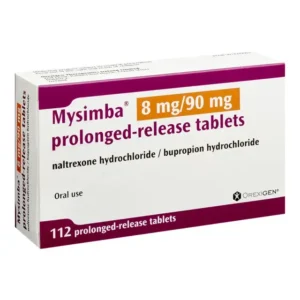
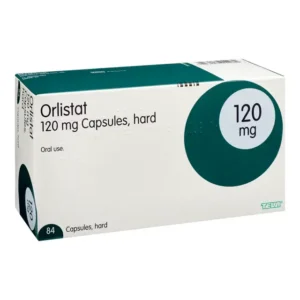

Weight Loss treatments encompass a range of approaches designed to help individuals achieve and maintain a healthy weight. These options include lifestyle modifications, such as dietary changes, increased physical activity, and behavioural therapy, which are often the foundation of long-term weight management strategies.
For those who require additional support, pharmacological treatments may be recommended. Medications such as Wegovy (Semaglutide), Mounjaro (Tirzepatide), Saxenda (Liraglutide), Mysimba (Naltrexone – Bupropion), and Orlistat (Xenical, Alli, Orlos), work through various mechanisms – such as appetite suppression, metabolic regulation, or fat absorption inhibition – to support weight loss efforts.
In cases of severe obesity or when other interventions have been ineffective, surgical options like bariatric surgery may be considered to provide substantial and sustained weight loss. A comprehensive treatment plan, tailored to an individual’s health needs and goals, is essential for effective and sustainable weight management.
Weight loss treatments offer a variety of options tailored to meet individual health needs and goals, ranging from lifestyle modifications to pharmacological interventions and surgical procedures. Lifestyle changes, including a balanced diet, increased physical activity, and behavioural therapy, are foundational for sustainable weight management and overall health improvement. These interventions are often personalised to address unique medical conditions and weight loss objectives. However, for individuals who require additional support beyond lifestyle changes, pharmacological treatments may be a viable option.
Several medications have been approved for weight management. Wegovy (Semaglutide) and Mounjaro (Tirzepatide) are newer injectable treatments that work by mimicking hormones involved in appetite regulation and blood sugar control, leading to significant weight loss in clinical trials. Saxenda (Liraglutide), also an injectable medication, helps reduce hunger and increase satiety. Mysimba, a combination of Naltrexone and Bupropion, targets the brain’s reward system to help reduce cravings and control appetite. Orlistat (Xenical, Alli, Orlos), a fat absorption inhibitor, works by preventing the digestion and absorption of fat from the diet. Each of these medications can be used as part of a comprehensive weight loss plan under medical supervision, especially when lifestyle changes alone do not yield adequate results. Selecting the most appropriate pharmacological option involves careful consideration of an individual’s health status, potential side effects, and specific weight loss goals.
Weight Loss Injections Comparison
Mounjaro | Wegovy | Saxenda | |
Licensed for weight loss? | Yes | Yes | Yes |
Active Ingredient | Tirzepatide | Semaglutide | Liraglutide |
Classification | GIP & GLP-1 receptor agonist | GLP-1 receptor agonist | GLP-1 receptor agonist |
How much weight can I lose? | Up to 22.5% of body weight | Up to 14.9% of body weight | Up to 6.3% of body weight |
Administration | Weekly injection | Weekly injection | Daily injection |
How does it work? | Reduces/regulates appetite | Reduces/regulates appetite | Reduces/regulates appetite |
Efficacy* | 96% | 84% | 60% |
*% of people losing more than 5% of body weight
Obesity is a complex medical condition characterised by an excessive accumulation of body fat, which can negatively impact health. It is typically defined by a Body Mass Index (BMI) of 30 or higher, although other factors such as waist circumference and body composition are also considered.
Obesity is not merely a cosmetic issue but a serious health concern that increases the risk of numerous chronic conditions, including heart disease, type 2 diabetes, high blood pressure, certain cancers, and respiratory problems. The condition is influenced by a combination of genetic, environmental, and behavioural factors, making it a multifaceted public health challenge.
If you are obese or overweight, even a modest amount of weight loss can help to reduce your increased health risks. The best chance of losing weight and keeping the weight off, is to be committed to a change in lifestyle. This includes eating a healthy diet and doing some regular physical activity.
The cause of being overweight or obese may seem straightforward: your weight depends on the balance between the calories you consume and the energy your body uses. If you consume more calories than you burn, your body stores the excess energy as fat, leading to weight gain. Conversely, if you consume fewer calories than you use, your body burns stored fat for energy, resulting in weight loss.
However, this simple explanation, known as the calories-in/calories-out model, overlooks the complex interactions within the body that regulate weight. These interactions involve signals between the brain, nerves, and hormones like insulin, a process known as homeostatic feedback. For example:
What complicates this balance is the ability of certain foods, particularly those high in sugar and fat, to override these natural feedback mechanisms. Such foods trigger the brain’s reward system, leading to overeating and disrupting the body’s weight regulation.
Eating Habits
In modern societies, tasty, calorie-dense foods are readily available, making it easy to overeat. Large portion sizes, eating out, and consuming processed foods contribute to excess calorie intake. Even healthy foods can cause weight gain if consumed in large amounts. Sugary drinks, including fruit juices, also contribute to weight gain due to their high sugar content and lack of fibre.
Physical Activity
A sedentary lifestyle is common, with fewer people engaging in physical activity and increasing reliance on cars and technology. The average person in the UK watches 26 hours of TV per week and many even more (“couch potato syndrome”).
Exercise is crucial for heart health and reducing disease risk, a lack of physical activity is a major contributor to the obesity epidemic.
Genetics
Genetics play a role in obesity, especially if one or both parents are obese. While some of this influence is environmental (learning unhealthy eating habits), some people inherit a genetic predisposition to overeat. This genetic factor may affect appetite control, with some individuals having a weaker signal to stop eating.
However, inheriting a tendency to overeat doesn’t guarantee obesity. With awareness and control, weight can be managed, though it may require more effort for those with a genetic predisposition.
Scientists are beginning to identify genes linked to obesity, which may lead to more targeted treatments in the future.
Medical Conditions & Medications
Very few obese people have an underlying ‘medical’ cause for their obesity. Health conditions such as Cushing’s syndrome and an underactive thyroid gland are rare causes of weight gain. Women with polycystic ovary syndrome may also be overweight.
Some medicines such as steroids, some antidepressants, some treatments for epilepsy and diabetes, and the contraceptive injection may contribute to weight gain. If you give up smoking, your appetite may increase and, as a result, you may put on weight. People with low mood or depression may also have a tendency to eat more energy-dense ‘comfort’ foods and so gain weight.
While the basic concept of energy balance is important, obesity is influenced by a complex set of factors involving food, lifestyle, genetics, and medical conditions. Understanding these complexities can help in addressing the obesity epidemic more effectively.
Obesity and being overweight is a very common problem and a widespread concern. According to 2021 government data, 59% of women and 69% of men in England were classified as overweight or obese. Similar trends are observed across the UK, which now has the highest obesity rate in Western Europe. Over the past 30 years, the number of obese individuals in the UK has surged, leading to what is often referred to as the “obesity epidemic.”
In response, the government and the National Institute for Health and Care Excellence (NICE) have introduced policies aimed at reversing this trend. Beyond the significant health risks for individuals, obesity also places a substantial financial burden on society, costing the NHS over £6.1 billion annually, with the total economic impact being even greater.
As an adult, you can determine if you are overweight or obese and assess potential health risks by calculating your Body Mass Index (BMI) and measuring your waist circumference. These two measurements provide a clear indication of whether your weight may be negatively impacting your health.
Body Mass Index (BMI)
Since people vary in height and build, body weight alone is not a reliable measure of health. Healthcare professionals use Body Mass Index (BMI) to assess whether someone’s weight poses a health risk. BMI is calculated by dividing a person’s weight (in kilograms) by the square of their height (in meters). You can calculate your own BMI using the NHS BMI Calculator.
BMI categories help define different weight statuses:
The health risks increase with higher BMI values. For individuals with Grade III obesity, the health risks are particularly severe and urgent. However, BMI does not account for factors such as muscle mass, which can lead to misleading results in very muscular individuals. Additionally, people of Asian descent face higher health risks at lower BMI levels, and health risk assessments differ for older adults.
Waist Circumference
In addition to BMI, waist circumference provides insight into health risks, particularly the risk of cardiovascular disease and type 2 diabetes. Individuals with excess fat around the waist (apple-shaped) are at greater risk than those who carry fat primarily around their hips and thighs (pear-shaped). To measure waist circumference, place a tape measure around your waist at the belly button level.
For men:
For women:
When assessing health risks in people who are overweight or Grade I obese, both BMI and waist circumference are considered. A high waist circumference can indicate a heightened risk even at lower levels of obesity. If additional conditions such as diabetes, high blood pressure, or high cholesterol are present, the health risks increase significantly, making weight loss particularly important.
If you are overweight or obese, you may experience various day-to-day challenges, including:
Additionally, obesity significantly increases your risk of developing a range of health conditions, including:
Being overweight or obese can also lead to psychological issues like low self-esteem, poor self-image, isolation, and depression, potentially affecting relationships with family and friends.
Moreover, obesity reduces life expectancy. Research shows that a BMI of 35 or higher is associated with a significantly increased risk of dying at a younger age. Women with a BMI of 30 or more at age 40 are likely to live 7.1 years less than average, while men in the same category may live 5.8 years less. Smoking further reduces life expectancy.
Losing weight can lead to significant improvements in both quality of life and health. Many people who lose weight report feeling more energetic and experiencing a boost in self-esteem. Beyond these personal benefits, there are clear health advantages to shedding excess pounds. As mentioned earlier, many serious health conditions are more common in individuals who are overweight or obese, and losing weight can greatly reduce the likelihood of developing these issues.
For those with a BMI between 25 and 35, the most noticeable health improvements often come with losing just 5-10% of their body weight. Benefits include:
For individuals with a BMI over 35, weight loss often brings more profound health benefits, as these individuals are more likely to already suffer from obesity-related health conditions. In such cases, losing 15-20% of their body weight may be necessary to see lasting improvements in these health issues.
Many people successfully lose weight through strict diet and exercise regimens, but often regain it once they return to old habits. Sustainable weight loss requires a lifelong commitment to changing various aspects of your lifestyle, such as the type of food you buy, the meals you eat, your eating patterns, and your physical activity levels.
Motivation is crucial
Successful weight loss requires strong motivation. Without a genuine desire to make lasting changes, no plan will be effective.
Monitor your current food intake
Keep a detailed diary of everything you eat and drink for a week to better understand your eating habits.
Lose weight gradually
Aim for a slow and steady weight loss of about 0.5 to 1kg per week (1-2 lbs). Rapid weight loss is often unsustainable.
Set clear, realistic goals
Establish achievable weight loss targets with a reasonable timeline. Aiming to lose 5-10% of your weight can provide significant health benefits.
Adopt a healthy, balanced diet
Fad diets may lead to temporary weight loss, but the key is to maintain a balanced, healthy diet for the long term. Changes in eating habits, not temporary restrictions, help sustain weight loss.
Watch what you drink
Sugary drinks, alcoholic beverages, and even milk-based drinks can add unnecessary calories. Replace them with water as your primary beverage to reduce calorie intake.
Increase physical activity
Adults should aim for at least two and a half hours of moderate-intensity exercise per week. This can include activities like brisk walking, jogging, or swimming. Incorporate more movement into your daily routine, such as using stairs instead of elevators or walking instead of driving short distances.
Monitor your progress
Regularly track your food intake and weigh yourself once a week. Focus on long-term progress rather than daily fluctuations.
Seek support if needed
While some can lose weight independently, others may benefit from professional guidance or support groups.
Maintaining weight loss involves consistently applying these principles over time, ensuring changes become a permanent part of your lifestyle.
You can help prevent becoming overweight or obese by adopting the following habits:
Follow healthy eating guidelines
Maintain a balanced diet with appropriate portions, focusing on nutrient-dense foods while avoiding excessive sugar and unhealthy fats.
Engage in regular physical activity
Aim for at least 150 minutes of moderate-intensity physical activity per week, as recommended, to support overall health and weight management.
Reduce sedentary time
Limit prolonged periods of inactivity, such as time spent sitting at a computer or watching TV, to encourage more movement throughout the day.
Monitor your weight regularly
Weigh yourself periodically to stay aware of any weight changes. Early detection of weight gain can help you take timely steps to prevent further increase.
Promote a healthy lifestyle for your family
Encourage nutritious eating and regular physical activity for everyone in your household, creating a supportive environment for maintaining a healthy weight.
These habits, when consistently practiced, can significantly reduce the risk of becoming overweight or obese while promoting a healthier lifestyle for both you and your family.



The questionnaire consists of simple questions regarding your general health and the treatment requested. The online assessment is straightforward and completely private and confidential.
Once your request has been approved by our prescriber and payment has been received, your treatment is then dispensed, packaged, and posted by our regulated pharmacy partner. Your order will arrive as quickly as the next day depending on your selected delivery option.
You can be confident that your treatment will be 100% genuine, safe, and effective, as we only use medications procured from licensed manufacturers and trusted UK wholesalers.
Rest assured that your treatment will be delivered in plain packaging for complete discretion.
Our fully accredited and qualified UK prescriber then screens your completed medical questionnaire and assesses your suitability for treatment. If the prescriber has any additional questions or concerns, they will contact you directly for clarification.
Provided that the prescriber is satisfied that the treatment is appropriate, the repeat request will be approved, and a supply price provided. In the event that your request is refused, you will be informed of the reason and given referral advice.
Once your order has been approved by our prescriber, your treatment is then dispensed, packaged, and posted by our regulated pharmacy partner. Your order will arrive as quickly as the next day depending on your selected delivery option.
You can be confident that your treatment will be 100% genuine, safe, and effective as we only use medications procured from licensed manufacturers and trusted UK wholesalers.
Rest assured that your treatment will be delivered in plain packaging for complete discretion.
A straightforward medical questionnaire acts as a replacement to the conventional face-to-face appointment. This type of consultation process is quick and should only take around five minutes to complete.
The questionnaire consists of simple questions regarding your general health and the specific condition selected. Questions are easy to understand and similar to those that you would be asked during a GP appointment.
The online assessment is completely private and confidential and is conducted with the same professionalism and safety standards as you would expect from a regular appointment but without the need for an awkward or embarrassing face-to-face consultation.
When the questionnaire has been completed, you can add your chosen treatment to your basket and complete our secure checkout process.
Our fully accredited and qualified UK prescriber then screens your completed medical questionnaire and assesses your suitability for treatment. If the prescriber has any additional questions or concerns, they will contact you directly for clarification.
Provided that the prescriber is satisfied that the treatment is appropriate, the order will be approved, and a free private prescription issued for dispensing. In the event that your order is refused, you will be informed of the reason and given referral advice.
Select the condition that you require treatment for from our extensive list.
Detailed information, guidance, and advice about the selected condition and associated medications are clearly provided on our website.
When you are ready, simply click through to commence the online consultation process.