- Quick, Easy, & Hassle-Free
- UK Based
- GPhC Regulated
- Secure Checkout
- Express Delivery

Quick, Easy, & Hassle-Free
UK Based
GPhC Regulated
Secure Checkout
Express Delivery

No Appointments
No Embarrassment
No Hassle!
No Appointments
No Embarrassment
No Hassle!
Bacterial Vaginosis (BV) is a common vaginal infection caused by an imbalance in naturally occurring vaginal bacteria. Symptoms may include a thin, fishy-smelling discharge, though some individuals remain asymptomatic. BV is typically treated with antibiotics such as Metronidazole or Clindamycin.


Bacterial Vaginosis (BV) is a common vaginal infection resulting from an imbalance in the naturally occurring bacteria within the vagina.
Typically, the vaginal environment consists of a delicate balance of various bacteria, but in BV, there is an overgrowth of harmful bacteria, particularly Gardnerella vaginalis, upsetting this balance. While the exact cause of BV remains unclear, factors such as douching, multiple sexual partners, or an imbalance in vaginal pH levels can contribute to its development.
Symptoms may include a thin, greyish-white vaginal discharge with a distinct fishy odour, itching, and irritation. However, some affected individuals might not exhibit any noticeable symptoms. BV isn’t considered a Sexually Transmitted Infection (STI), although it can be associated with sexual activity.
Treatment typically includes antibiotics such as Metronidazole or Clindamycin which help to restore the vaginal bacterial balance and alleviate symptoms. Prompt diagnosis and appropriate treatment are essential to manage BV and reduce the risk of complications like Pelvic Inflammatory Disease (PID) or increased susceptibility to other STIs.
Bacterial Vaginosis (BV) is a very common condition that affects many women at some point in their lifetime.
BV is caused by a disturbance in the mix of bacteria in the vagina known as the vaginal microbiome. Normally there is a healthy mix of millions of ‘friendly’ germs (bacteria) in our bodies, including in the vagina – we rely on them being there and they are a part of what keeps us healthy. In BV, the balance of vaginal bacteria is altered.
A type of bacteria called anaerobic bacteria (bacteria that grow in an environment without air) increase in number, whilst another type, called lactobacilli, dies off. This disturbance in the bacteria makes the inside of the vagina slightly less acidic than usual. This slight reduction in acidity then encourages the growth of more anaerobic bacteria and fewer lactobacilli.
Although the changes of BV don’t usually cause pain or itching, they do tend to cause an unusual vaginal discharge which often has a distinct ‘fishy’ odour, particularly after sexual intercourse. The discharge can be watery and greyish in colour. This can be distressing and make women feel unclean. Some women then try to douche or wash themselves with soaps or perfumes – but this will only disturb the vagina more (because soaps are too alkaline for the inside of the vagina) and will make the problem worse.
BV is not considered a Sexually Transmitted Infection (STI) as it can occur in women who are not sexually active, however, it is apparent that occurrences of BV are much higher in those who are sexually active, especially in those with multiple partners.
BV does not pose a serious threat to health for the vast majority of sufferers and around half of those affected do not experience any noticeable symptoms. BV is frequently self-limiting, although many women do choose to treat it.
Half of women with BV will not experience any noticeable symptoms.
For women who do develop symptoms, the main symptom is very often an unusual vaginal discharge that has a strong ‘fishy’ smell, particularly after sexual intercourse. The discharge may be thin and watery and appear grey or white in colour.
It is unusual for BV to cause symptoms of itching, irritation, soreness or problems urinating.
It is not clear what exactly causes the bacterial imbalance that results in BV, although certain factors/triggers are known to increase the risk of developing it.
You are more likely to get BV:
The following are self-help techniques that can reduce your risk of developing BV. The rationale behind these tips is to try not to disturb the natural balance of bacteria in the vagina.
BV can be successfully managed using antibiotics.
The treatment of choice is oral Metronidazole. The usual recommended dose is 400mg twice daily for 5-7 days.
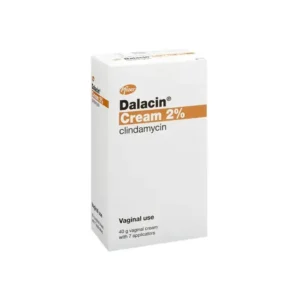
If oral Metronidazole is not suitable or well tolerated, Metronidazole vaginal gel (Zidoval) or Clindamycin cream (Dalacin) may be prescribed.
When taking or using Metronidazole, it is very important not to drink any alcohol during the course, and for at least 48 hours after completing the course as this can cause serious nausea and sickness.
When taking or using antibiotics for BV it is very important to complete the course, even if the symptoms have subsided. Finishing the course will help reduce the risk of the symptoms persisting or returning.
Some women may require an additional course of Metronidazole should the initial course be unsuccessful. This is quite normal. It is important to check that the medicine was taken correctly as a further course or an alternative treatment will be required.
Other options that are available for treating BV include vaginal pH correction treatments. These topical gels are available over-the-counter and are designed to rebalance the pH levels inside the vagina. An example of a pH balancing treatment is Balance Activ gel.
It is widely acknowledged that treating BV with antibiotics is far more effective than using a pH balancing gel.
Untreated BV may slightly increase the risk of you acquiring HIV infection if you have sex with someone who is infected with HIV. This is probably because the normal acidity of the vagina helps protect against STIs.
Women with serious cases of untreated BV may be at a slightly increased risk of developing Pelvic Inflammatory Disease (PID). PID produces pelvic pain, bleeding between periods and swelling in the genital tract. PID can damage fertility by preventing sperm from reaching the egg.
Studies have found some links between BV and problems during pregnancy, such as the risk of having a low-birthweight infant or delivering a preterm baby. There is no solid evidence to suggest that BV can directly cause miscarriage, however, you should consult your doctor if you are suffering from BV and are pregnant.



The questionnaire consists of simple questions regarding your general health and the treatment requested. The online assessment is straightforward and completely private and confidential.
Once your request has been approved by our prescriber and payment has been received, your treatment is then dispensed, packaged, and posted by our regulated pharmacy partner. Your order will arrive as quickly as the next day depending on your selected delivery option.
You can be confident that your treatment will be 100% genuine, safe, and effective, as we only use medications procured from licensed manufacturers and trusted UK wholesalers.
Rest assured that your treatment will be delivered in plain packaging for complete discretion.
Our fully accredited and qualified UK prescriber then screens your completed medical questionnaire and assesses your suitability for treatment. If the prescriber has any additional questions or concerns, they will contact you directly for clarification.
Provided that the prescriber is satisfied that the treatment is appropriate, the repeat request will be approved, and a supply price provided. In the event that your request is refused, you will be informed of the reason and given referral advice.
Once your order has been approved by our prescriber, your treatment is then dispensed, packaged, and posted by our regulated pharmacy partner. Your order will arrive as quickly as the next day depending on your selected delivery option.
You can be confident that your treatment will be 100% genuine, safe, and effective as we only use medications procured from licensed manufacturers and trusted UK wholesalers.
Rest assured that your treatment will be delivered in plain packaging for complete discretion.
A straightforward medical questionnaire acts as a replacement to the conventional face-to-face appointment. This type of consultation process is quick and should only take around five minutes to complete.
The questionnaire consists of simple questions regarding your general health and the specific condition selected. Questions are easy to understand and similar to those that you would be asked during a GP appointment.
The online assessment is completely private and confidential and is conducted with the same professionalism and safety standards as you would expect from a regular appointment but without the need for an awkward or embarrassing face-to-face consultation.
When the questionnaire has been completed, you can add your chosen treatment to your basket and complete our secure checkout process.
Our fully accredited and qualified UK prescriber then screens your completed medical questionnaire and assesses your suitability for treatment. If the prescriber has any additional questions or concerns, they will contact you directly for clarification.
Provided that the prescriber is satisfied that the treatment is appropriate, the order will be approved, and a free private prescription issued for dispensing. In the event that your order is refused, you will be informed of the reason and given referral advice.
Select the condition that you require treatment for from our extensive list.
Detailed information, guidance, and advice about the selected condition and associated medications are clearly provided on our website.
When you are ready, simply click through to commence the online consultation process.