- Quick, Easy, & Hassle-Free
- UK Based
- GPhC Regulated
- Secure Checkout
- Express Delivery

Quick, Easy, & Hassle-Free
UK Based
GPhC Regulated
Secure Checkout
Express Delivery

No Appointments
No Embarrassment
No Hassle!
No Appointments
No Embarrassment
No Hassle!
Smoking cessation is one of the most impactful ways to improve health, with benefits such as enhanced cardiovascular function, improved lung capacity, and reduced risks of heart disease, stroke, and cancer. While quitting can be challenging, combining behavioural therapy with pharmacotherapies like Nicotine Replacement Therapy or prescription medications can significantly boost success rates.

Smoking cessation is one of the most impactful steps an individual can take to improve their health, reduce the risk of serious diseases, and enhance overall quality of life.
Quitting smoking has immediate and long-term benefits, including improved cardiovascular function, lung capacity, and immune response. Within days of quitting, blood pressure normalises, and within weeks, lung function improves; over time, the risks of heart disease, stroke, and cancers diminish significantly. The benefits extend beyond physical health, as quitting also positively influences mental well-being, including reduced levels of anxiety and improved mood stability.
While the decision to quit smoking is empowering, the journey can be challenging due to nicotine dependence and associated withdrawal symptoms, such as cravings, irritability, and sleep disturbances. However, a wide array of support and resources is available. Many find success by combining behavioural therapy, which addresses psychological factors, with pharmacotherapies like Nicotine Replacement Therapy (NRT) or prescription medications that alleviate cravings.
Smoking remains a notable public health issue in the UK, though rates have declined significantly in recent years. According to the Office for National Statistics (ONS), smoking prevalence among adults aged 18 and over fell to 13.3% in 2021, marking one of the lowest rates on record and a significant decrease from 19.8% in 2011. Despite these advances, an estimated 6.6 million people still smoke in the UK, with higher prevalence among men (15.1%) compared to women (11.5%).
Smoking rates are particularly elevated among certain socioeconomic groups and in certain regions, underscoring ongoing disparities. Additionally, smoking remains a leading cause of preventable illness and death in the UK, contributing to approximately 78,000 deaths each year and costing the NHS around £2.6 billion annually to treat smoking-related diseases. Public health initiatives such as “Stoptober” and Smokefree services continue to play a crucial role in reducing smoking rates, aiming to achieve a smoke-free generation by 2030.
Smoking poses severe health risks, impacting nearly every organ in the body and significantly increasing the likelihood of numerous health conditions. It is the leading cause of preventable death in the UK.
Respiratory diseases: Smoking is the primary cause of Chronic Obstructive Pulmonary Disease (COPD), emphysema, and chronic bronchitis. It can lead to lung damage, limiting the ability to breathe easily and increasing the risk of respiratory infections.
Cardiovascular disease: Smoking doubles the risk of heart disease and stroke in adults. It also accelerates atherosclerosis, which contributes to heart attacks and other vascular diseases.
Cancer: In the UK, smoking is responsible for 70% of all lung cancer cases. It also raises the risk of cancers in the mouth, throat, oesophagus, bladder, kidney, and pancreas.
Increased susceptibility to illness: Smoking weakens the immune system, increasing vulnerability to infections such as influenza, pneumonia, and tuberculosis.
Premature ageing and skin damage: The chemicals in tobacco smoke lead to skin damage, causing premature wrinkles, discoloration, and increased risk of skin cancer.
In addition to physical health risks, smoking also affects mental well-being. Smokers often report higher levels of anxiety and depression, which can create a cycle of dependency on nicotine to manage stress or emotional discomfort.
Stopping smoking brings immediate and long-term health, financial, and quality-of-life benefits.
Health-wise, within minutes of quitting, heart rate and blood pressure normalise, and within days, carbon monoxide levels in the blood decrease, allowing for improved oxygen flow. Over time, the risks of heart disease, stroke, and multiple cancers (including lung cancer) diminish significantly, leading to a longer, healthier life.
Mental health also benefits, as many former smokers experience reduced stress, anxiety, and depressive symptoms once they are free from nicotine dependence.
Financially, quitting smoking can save individuals thousands of pounds annually; with the average smoker in the UK spending over £2,000 a year on cigarettes, cessation results in immediate financial relief and long-term savings.
Overall, quitting smoking not only improves physical and mental wellbeing but also provides substantial economic advantages for individuals and society.
The withdrawal symptoms experienced after stopping smoking can be challenging, as nicotine dependence affects both the body and mind. Nicotine is a highly addictive substance, and once it is eliminated, individuals often face intense cravings, especially during the first few weeks of quitting.
Physical symptoms typically include irritability, frustration, restlessness, and difficulty sleeping, with some people experiencing headaches or digestive discomfort. Increased appetite and weight gain are also common, as the body adjusts to the absence of nicotine’s stimulant effects. Additionally, many people report cognitive difficulties, such as trouble concentrating and focusing or heightened stress levels. While these symptoms generally peak within the first week of quitting, they gradually subside over the following weeks.
Understanding that withdrawal symptoms are temporary and part of the body’s healing process can help individuals stay committed to their goal of quitting. With support, self-care strategies, and potentially medical interventions like Nicotine Replacement Therapy (NRT), the discomfort of withdrawal can be effectively managed, increasing the likelihood of a successful cessation journey.
Self-help strategies can be powerful tools for individuals looking to quit smoking. The following strategies may prove helpful:
Setting a specific quit date is often a helpful starting point, as it marks a clear commitment and provides time to prepare mentally and practically.
Avoiding known triggers such as certain social settings, routines, or even specific times of day associated with smoking can reduce the urge to smoke.
Engaging in physical activities, like walking or exercise, not only occupies time but also helps alleviate stress and improves mood, making it easier to resist cravings.
Practicing deep breathing and mindfulness techniques can also reduce anxiety and provide a healthy coping mechanism when faced with cravings.
Keeping healthy snacks nearby, such as nuts or fruit, can counteract increased appetite and distract from the urge to smoke.
Setting up a support system – whether through friends, family, or online communities – can provide motivation and accountability.
Rewarding oneself for achieving milestones, such as a week or month without smoking, reinforces positive progress and builds confidence.
By combining these self-help techniques, individuals can create a robust plan for overcoming nicotine dependence and achieving long-term cessation.
Effective smoking cessation treatments and management options are essential for supporting individuals on their journey to quit smoking.
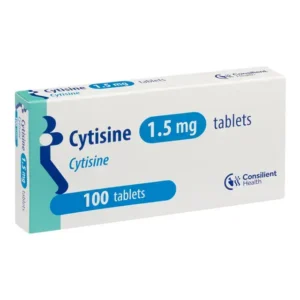
Nicotine Replacement Therapy (NRT) is one of the most widely used options, offering controlled doses of nicotine through patches, gum, lozenges, nasal sprays, or inhalers to reduce cravings and withdrawal symptoms gradually. Prescription medications, such as Cytisine, Varenicline (Champix), and Bupropion (Zyban), are also effective in curbing nicotine dependence; they work by blocking nicotine receptors in the brain or adjusting brain chemistry to minimise cravings.
Behavioural therapies, such as Cognitive-Behavioural Therapy (CBT) and motivational interviewing, address the psychological aspects of addiction by helping individuals understand and change smoking-related behaviours and thought patterns. Many healthcare providers recommend a combined approach of NRT or medication along with behavioural therapy, as studies show this dual approach significantly increases the likelihood of quitting successfully.


The questionnaire consists of simple questions regarding your general health and the treatment requested. The online assessment is straightforward and completely private and confidential.
Once your request has been approved by our prescriber and payment has been received, your treatment is then dispensed, packaged, and posted by our regulated pharmacy partner. Your order will arrive as quickly as the next day depending on your selected delivery option.
You can be confident that your treatment will be 100% genuine, safe, and effective, as we only use medications procured from licensed manufacturers and trusted UK wholesalers.
Rest assured that your treatment will be delivered in plain packaging for complete discretion.
Our fully accredited and qualified UK prescriber then screens your completed medical questionnaire and assesses your suitability for treatment. If the prescriber has any additional questions or concerns, they will contact you directly for clarification.
Provided that the prescriber is satisfied that the treatment is appropriate, the repeat request will be approved, and a supply price provided. In the event that your request is refused, you will be informed of the reason and given referral advice.
Once your order has been approved by our prescriber, your treatment is then dispensed, packaged, and posted by our regulated pharmacy partner. Your order will arrive as quickly as the next day depending on your selected delivery option.
You can be confident that your treatment will be 100% genuine, safe, and effective as we only use medications procured from licensed manufacturers and trusted UK wholesalers.
Rest assured that your treatment will be delivered in plain packaging for complete discretion.
A straightforward medical questionnaire acts as a replacement to the conventional face-to-face appointment. This type of consultation process is quick and should only take around five minutes to complete.
The questionnaire consists of simple questions regarding your general health and the specific condition selected. Questions are easy to understand and similar to those that you would be asked during a GP appointment.
The online assessment is completely private and confidential and is conducted with the same professionalism and safety standards as you would expect from a regular appointment but without the need for an awkward or embarrassing face-to-face consultation.
When the questionnaire has been completed, you can add your chosen treatment to your basket and complete our secure checkout process.
Our fully accredited and qualified UK prescriber then screens your completed medical questionnaire and assesses your suitability for treatment. If the prescriber has any additional questions or concerns, they will contact you directly for clarification.
Provided that the prescriber is satisfied that the treatment is appropriate, the order will be approved, and a free private prescription issued for dispensing. In the event that your order is refused, you will be informed of the reason and given referral advice.
Select the condition that you require treatment for from our extensive list.
Detailed information, guidance, and advice about the selected condition and associated medications are clearly provided on our website.
When you are ready, simply click through to commence the online consultation process.